Skip to content
Glancerange

Cap height, line breaks and reading distance for printed garments

How far away
can this be read

You designed it at thirty centimetres. It gets read at three metres. Drag the slider and watch the difference happen — no account, nothing to install.

Magnified — what your eye resolves here

0 samples per character

m

Nothing you type here is stored, and nothing you type here is read. The engine counts characters and measures widths.

Three steps

A specification, not an opinion

You give it words and a distance. It gives you a height in millimetres, the places to turn the line, and a written account of what a passer-by actually gets.
  1. 011 credit

    Type the line

    The words that are going on the garment, exactly as they will be printed. The engine counts characters and measures widths. It does not read the sentence.

  2. 022 credits

    Say where it goes and who is looking

    Chest, back or sleeve, each of which has a different usable print width, and the distance the person reading it will actually be standing at.

  3. 035 credits

    Take the specification to the printer

    Cap height in millimetres and in points, the line breaks and the reason for each, the three distance views, and the full list of things that will move the answer and that nobody can know in advance.

One metre, three metres, five metres

Three distances, side by side, because one on its own changes nothing

The cap height does not change between these panels. What changes is how much of it survives the trip to the reader's eye.
Where it goes

280 mm of usable print width

1 m

Reads as you walk past

At 1 m the whole line reads: "EAST SIDE ROWING CLUB 1998".

At this distance the letters are above the sign industry's best-impact height. A person walking past reads the line without deciding to.

99.3′ at the eye · floor is 11.5′
3 m

Reads as you walk past

At 3 m the whole line reads: "EAST SIDE ROWING CLUB 1998".

At this distance the letters are above the sign industry's best-impact height. A person walking past reads the line without deciding to.

33.1′ at the eye · floor is 11.5′
5 m

Readable if you stop

At 5 m a passer-by gets "EAST SIDE ROWING CLUB". "1998" is still legible to somebody who stops, but a glance does not reach it.

At this distance the letters sit between the best-impact height and the legibility index. Somebody who stops and looks will read it. Somebody walking past catches the first few words and nothing else.

19.9′ at the eye · floor is 11.5′
The cap height is the same in all three panels. Nothing has been made smaller and nothing has been blurred. What changes between them is how many independent samples an eye takes across the print, and that falls off with distance whether or not anybody likes it.

Where to break it

The same words, turned in two different places

A line that ends on a preposition leaves the reader holding the sentence open across the turn, and on a garment there is often no second glance. An unbalanced pair of lines also wastes the print width, which costs cap height for everything on the shirt.
Both at

same words · same print width · 280 mm

Broken after a preposition

15.2 mm / 15.2 mm cap height

At 3 m a passer-by gets "THE LONG WAY ROUND TO". "THE HARBOUR GATE" is still legible to somebody who stops, but a glance does not reach it.

The first line ends on "to", so the reader is holding the sentence open across the turn. The two lines are also badly matched in length, which forces the cap height down to 15.2 mm to make the longer one fit.

Broken at the sense group

16.7 mm / 16.7 mm cap height

At 3 m a passer-by gets "THE LONG WAY ROUND TO". "THE HARBOUR GATE" is still legible to somebody who stops, but a glance does not reach it.

Break after "ROUND". It is not an article, a conjunction or a preposition, so the line does not end on a word the reader has to hold open. The two lines also come out within a few characters of each other, which keeps the cap height as large as the print area allows.

What survives

A height on its own has never changed a layout

What changes a layout is finding out which two words are left.

What most tools give you

24.5 mm

A cap height. Correct, and almost useless on its own, because it does not tell you what happens to the words you already have.

What the answer has to include

At three metres a passer-by gets “SUMMER FIELD DAY”. “VOLUNTEER CREW 2026” is still legible to somebody who stops, but a glance does not reach it.

That is the actual output for a thirty-six character line across a chest, and it is something anybody can act on before the screens are made. It also separates the two ways a word is lost: below the legibility floor a word is gone however long you look, and past the glance it is perfectly readable to anybody who stops. Those call for different fixes.

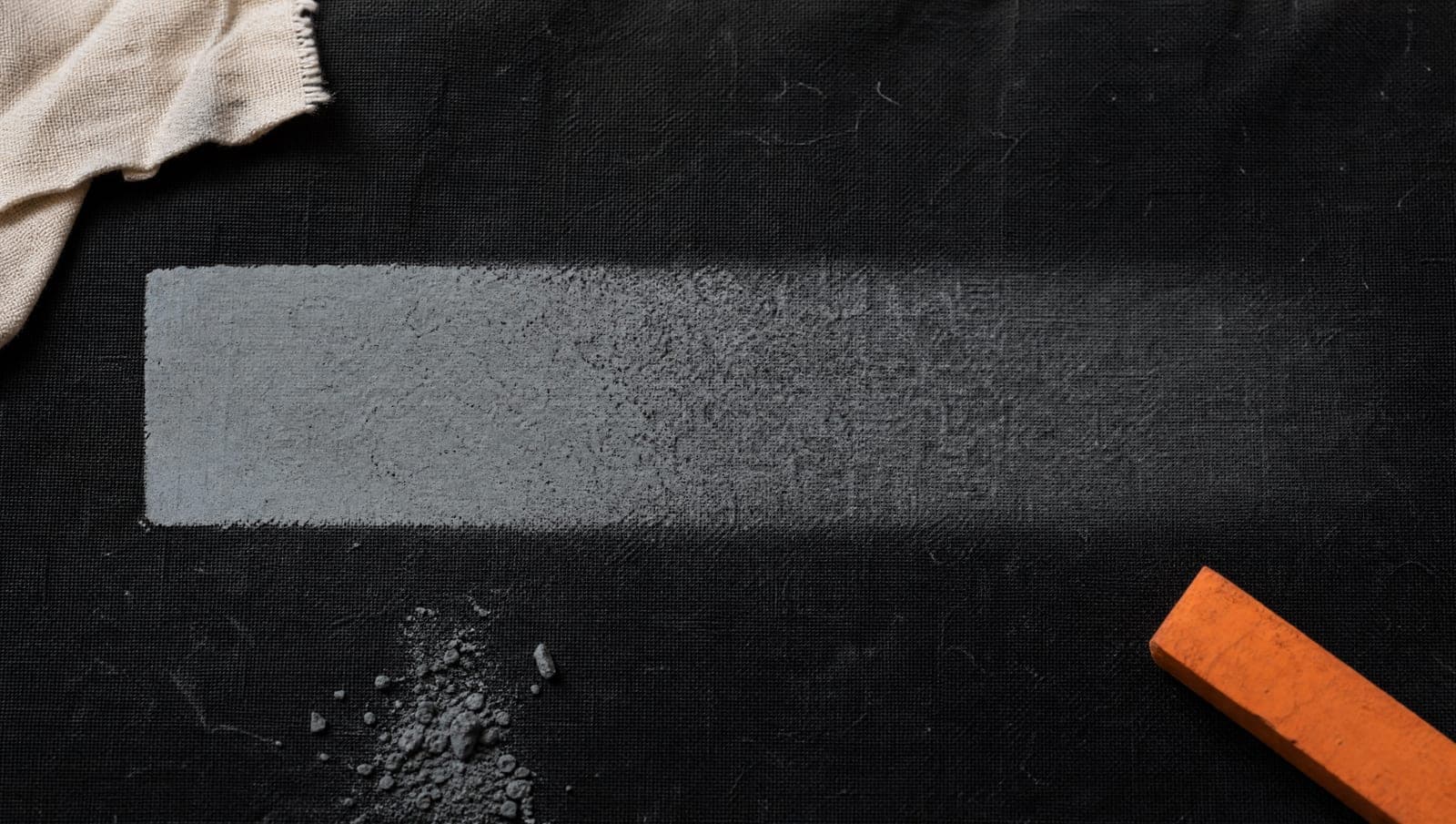
A band of pale pigment on dark cloth, crisp at one end and dissolved into an even haze at the other.
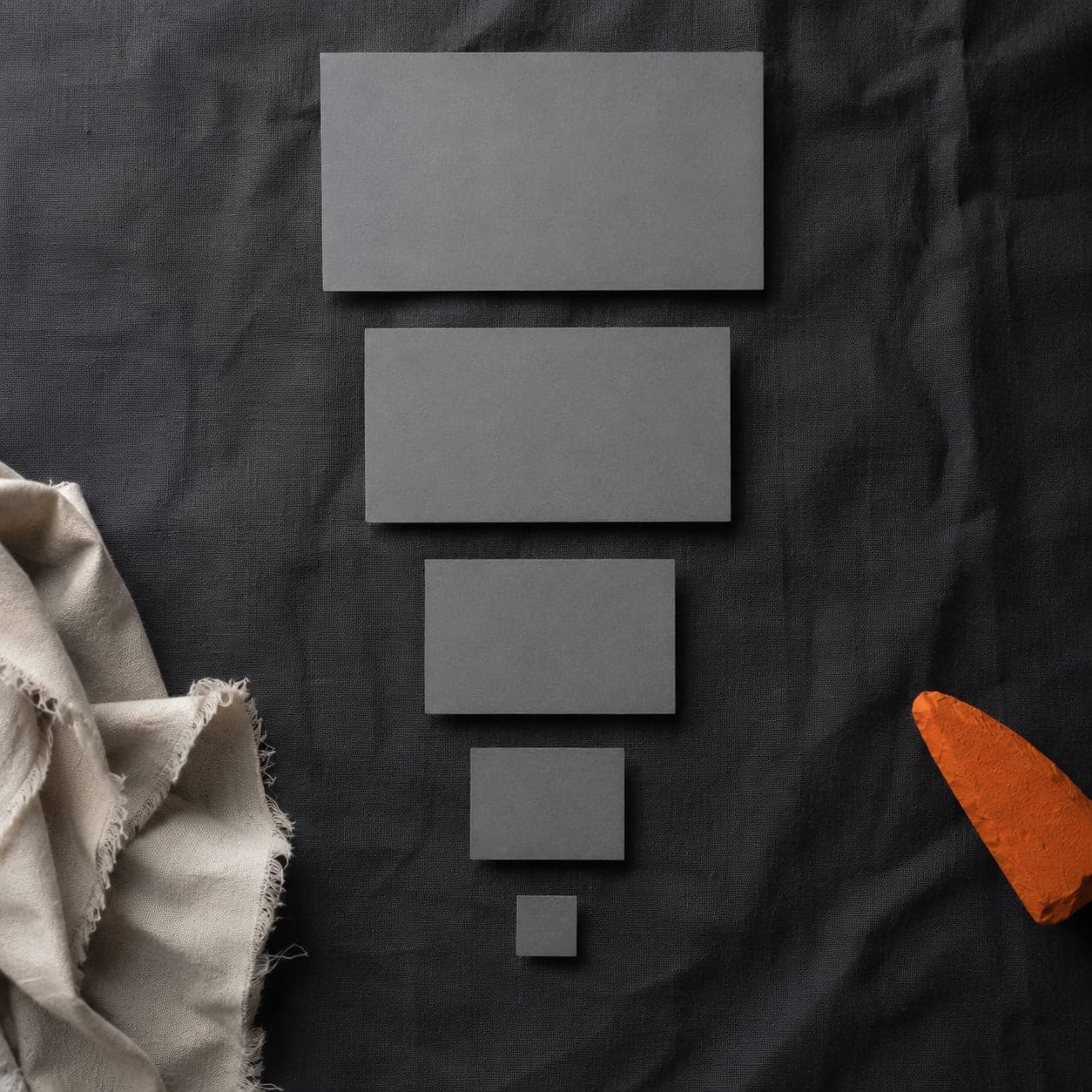
Five plain grey rectangles of decreasing size on near-black cloth, the smallest almost lost in the texture.

Why the last words go first

Words are not lost evenly. A subordinate line set at sixty per cent of the main size crosses the legibility floor at roughly sixty per cent of the distance, so a trailing year disappears while the name above it is still perfectly readable. Everything else is lost in order, because a glance starts at the top and runs out.

Why a long line loses twice

A longer line has to be set smaller to fit the same print width, so every extra word costs height for all of the other words as well. Twenty-six characters on a single row across a chest is about twelve millimetres of cap height, which is a one-metre line and nothing more. Breaking the same words over three rows buys nearly three times that.

Conditions

The parts nobody can compute

Distance is arithmetic. Light, angle, cloth and whether anybody is looking are not, and pretending otherwise would be the easiest way to be wrong.
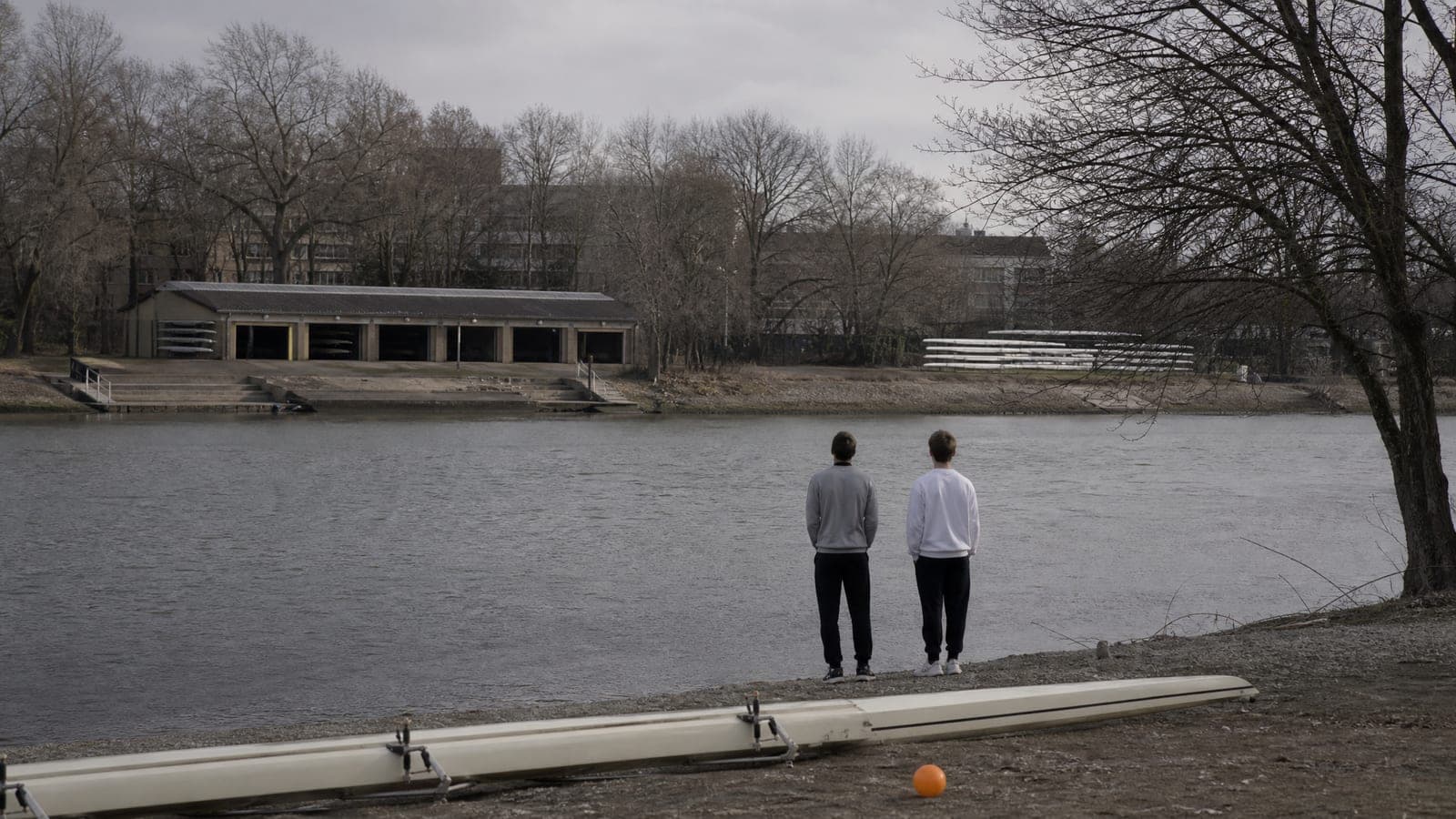
An overcast river bank with a boathouse in the middle distance and two figures at the water's edge seen from behind in plain sweatshirts.

From the bank, roughly eighteen metres

Nothing printed on a garment is legible here. The distance a client pictures is almost never the distance the reader is standing at.

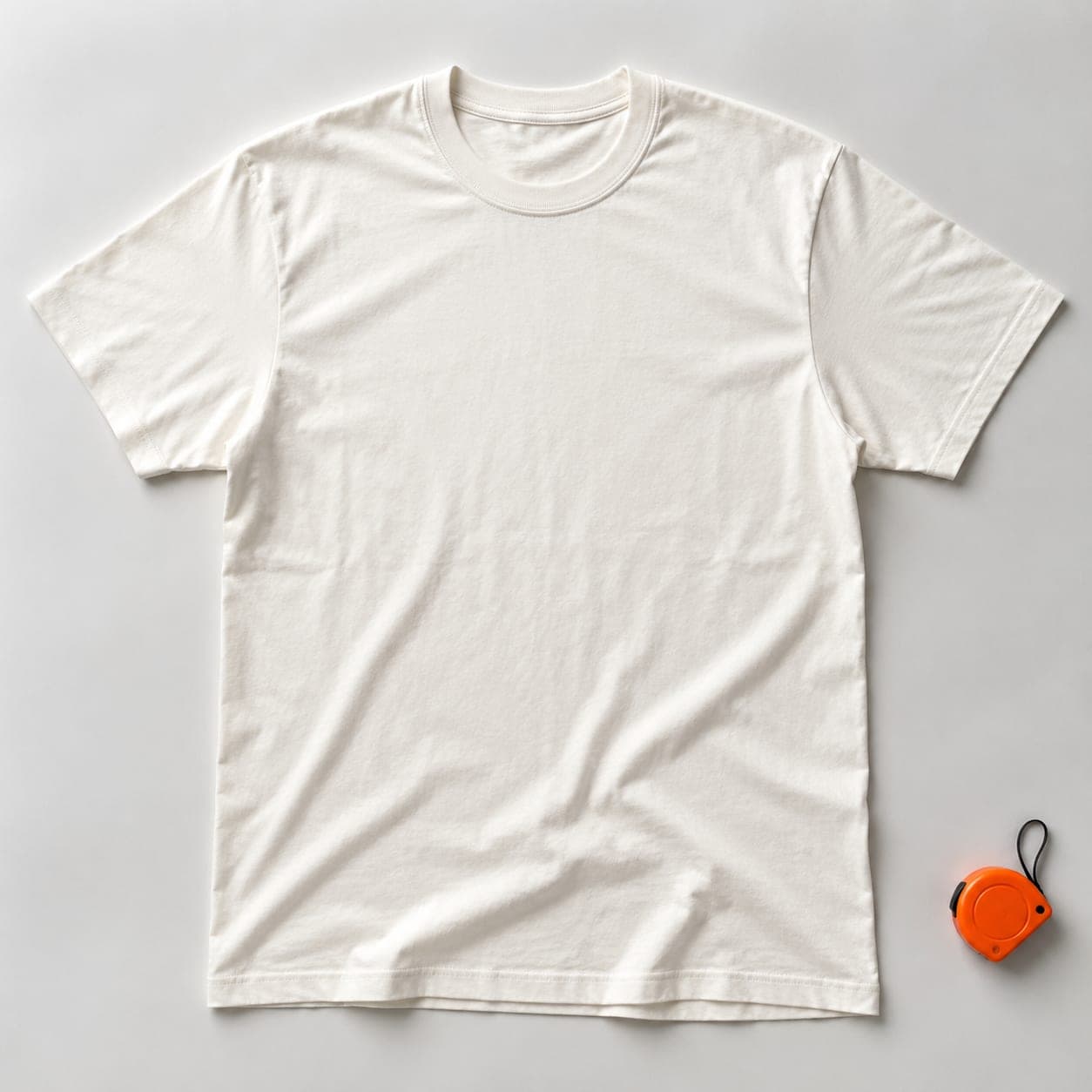
A plain off-white heavyweight cotton t-shirt laid flat, front blank and unprinted.

280 mm of usable width

The chest of an adult medium. Every extra character in the line takes height away from all of the others.

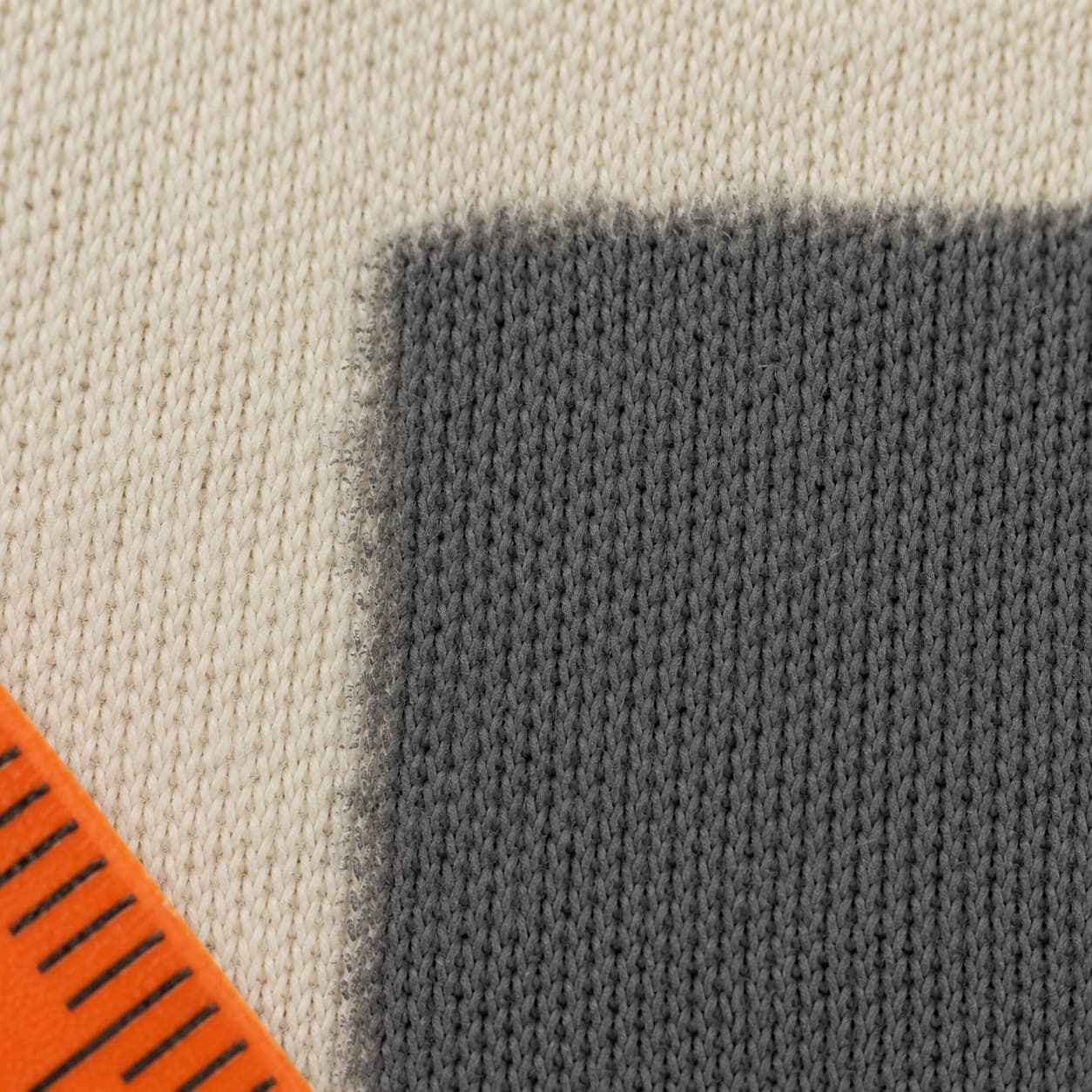
Macro of knitted jersey with a plain ink block whose edge has wicked slightly along the yarn.

Ink spread on jersey

The stroke finishes wider than it left the screen. Below about fifteen millimetres this costs you more than the height does.

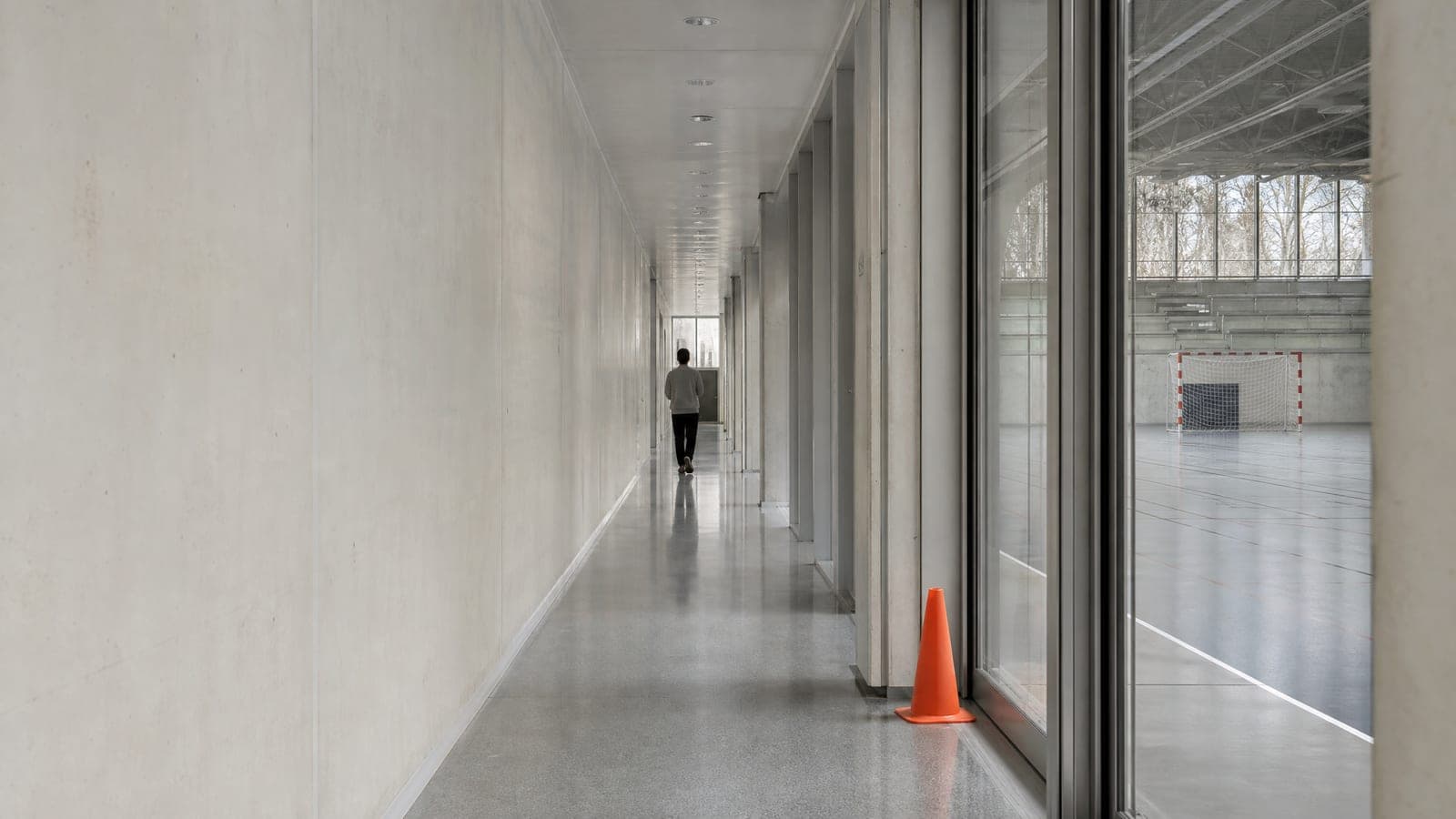
A long pale sports-hall corridor seen down its length with one distant figure walking away in a plain sweatshirt.

Down a corridor, about twenty-five metres

The range at which a back print becomes a colour and a rough shape. Nothing about the words is available any more, and no cap height that fits a shirt would change that.

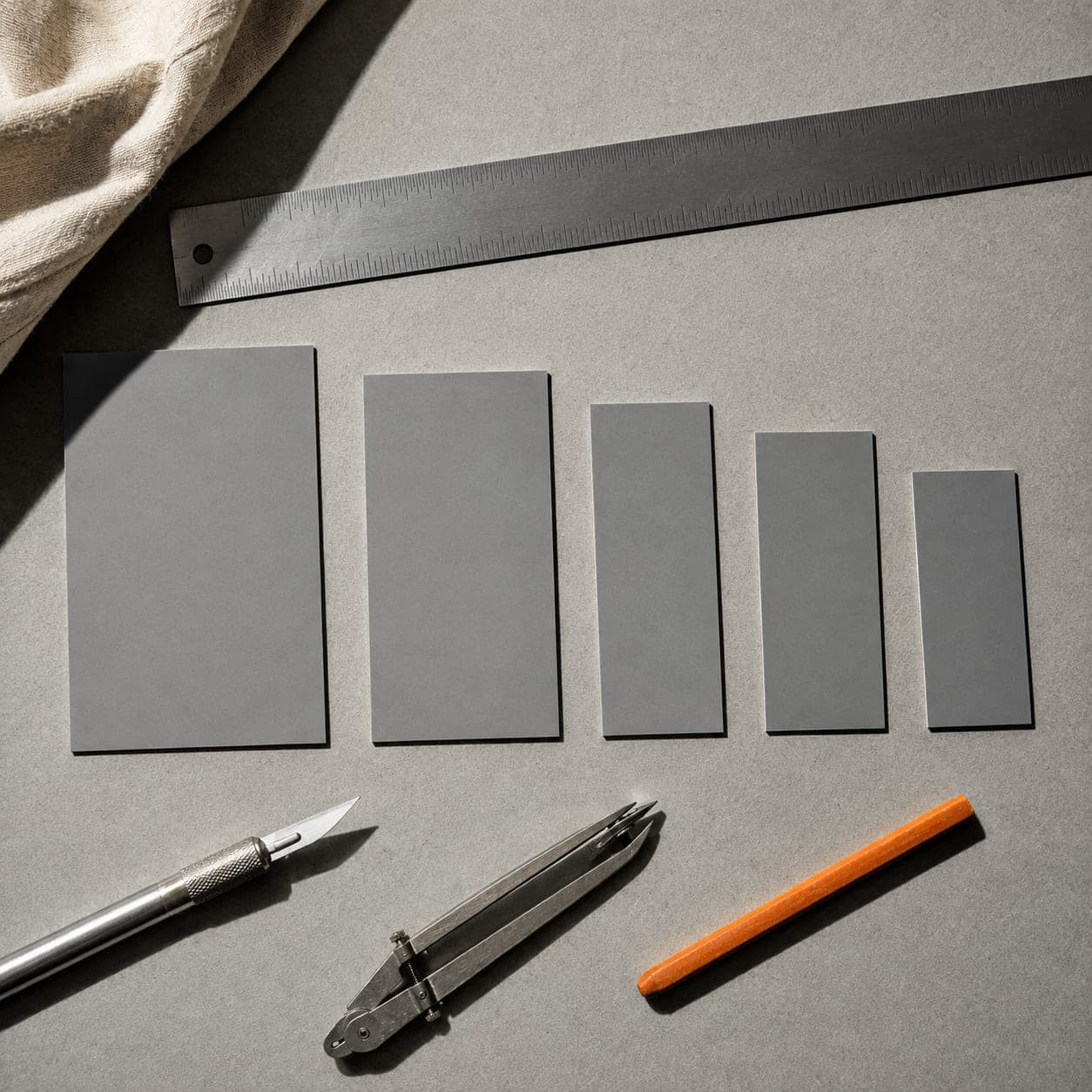
Overhead still life of a steel rule, blank vinyl rectangles in graded sizes, dividers and a scalpel.

Heights, in order

The sign trade has been sizing letters against distance for decades. This tool does nothing more clever than apply it to cloth.

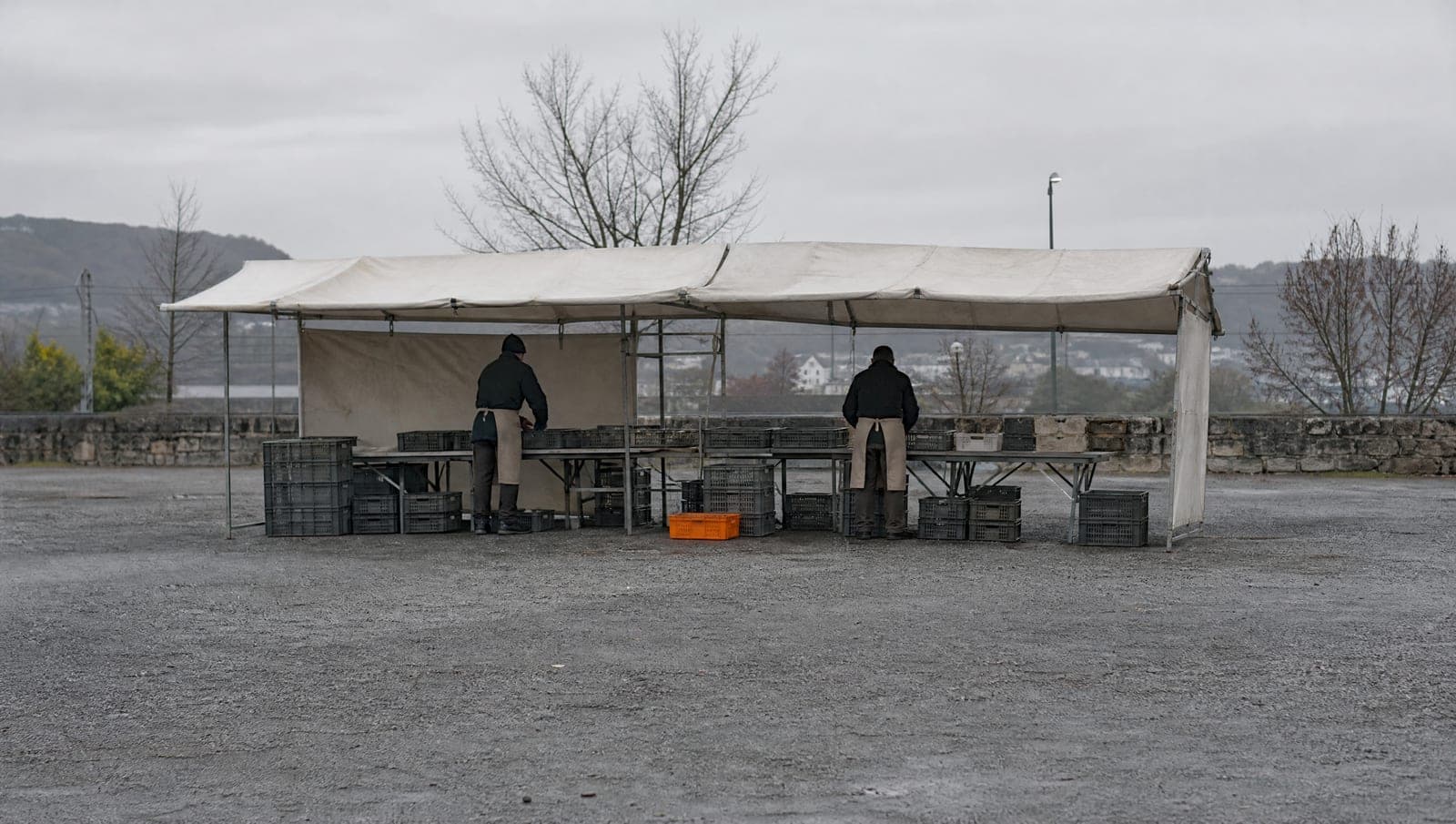
An early morning market setup seen from a distance with two figures from behind at a stall.

Thirty metres, in flat light

Two variables move at once out here: the distance grows and the light drops. Only one of them is in the arithmetic.

A quiet open-plan workspace seen down its length with one person at the far end from behind in a plain sweatshirt.

Indoors, and darker than you think

Every figure on this site assumes open daylight. A room like this moves the threshold, and it moves it the wrong way.

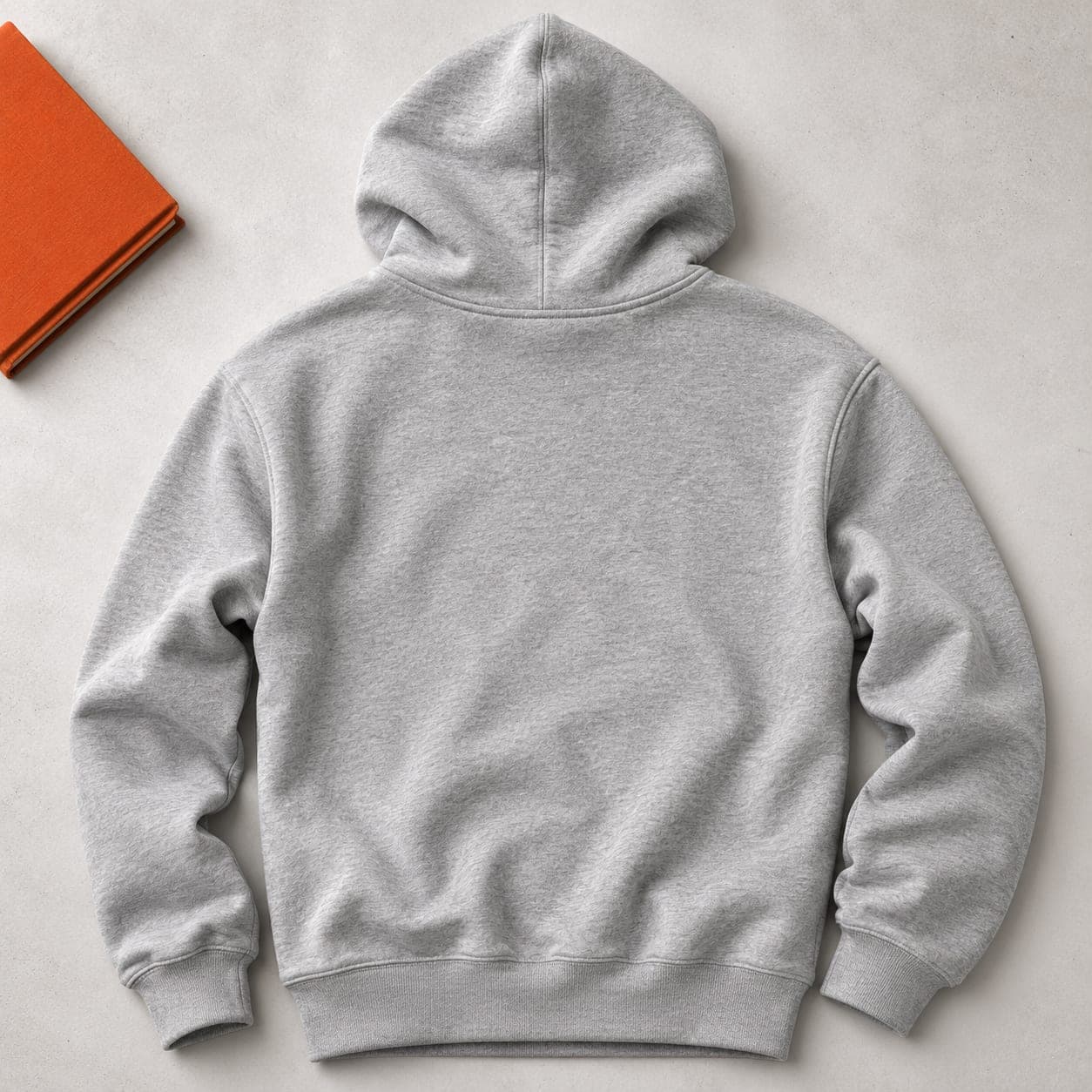
A plain heather grey hoodie laid flat back side up, back panel blank and unprinted.

340 mm across the back

The only placement with room for a long line, and the only one read while the wearer is walking away rather than past.

Close view of a plain slate grey t-shirt sleeve, panel blank and unprinted.

90 mm down the sleeve

Conversational distance or nothing. Past two short words, a sleeve print falls below the legibility floor at two metres.

Steel vernier calipers resting open on a fold of plain cotton jersey.

Stroke, measured

Weight and width are quantities, so this tool treats them as quantities. It never describes a typeface as having an attitude.

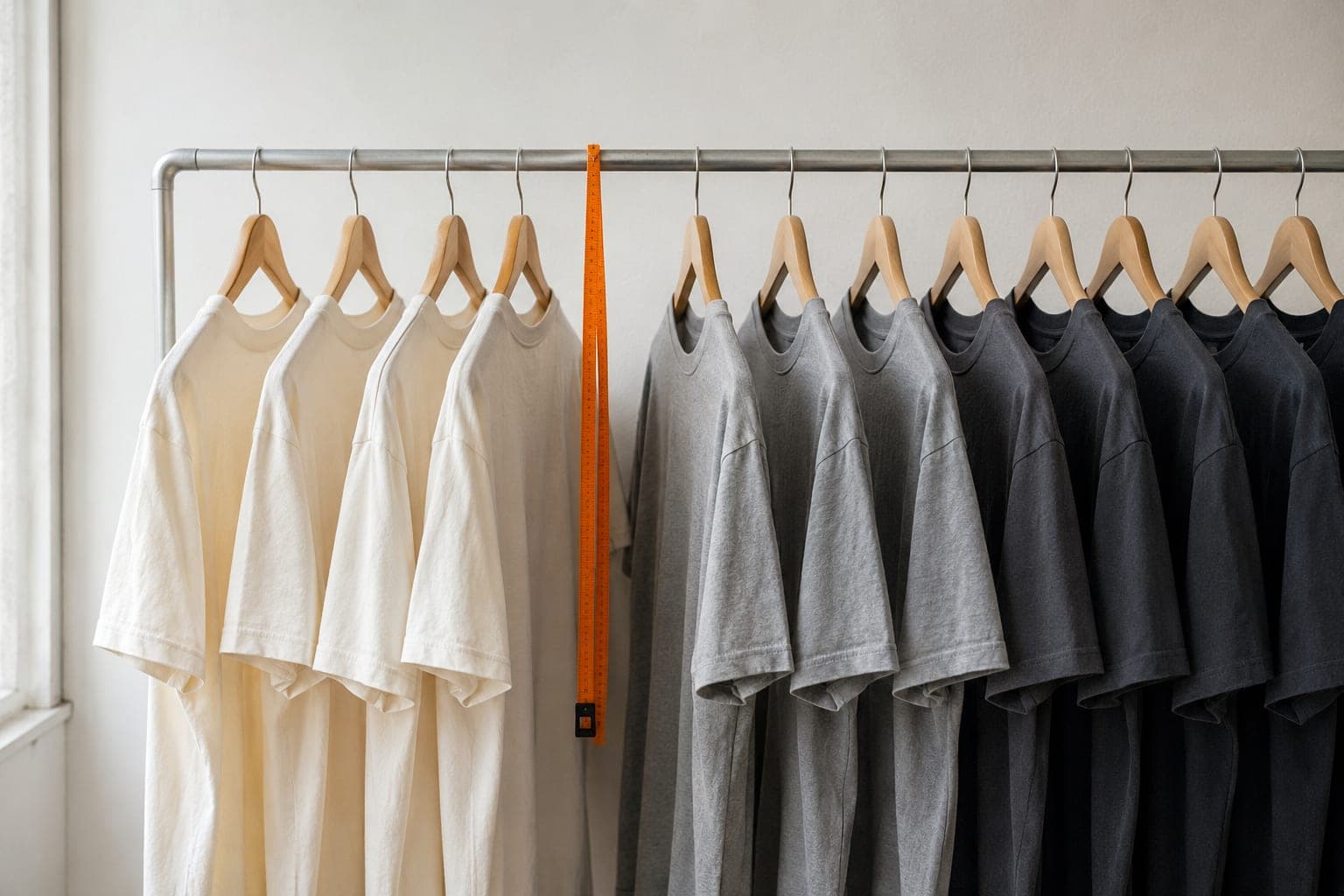
A row of plain unprinted cotton t-shirts on wooden hangers on a steel rail.

The same layout, every name

A run has to hold for the longest name in the set. Sizing to the shortest is how a batch ends up with one shirt that does not match.

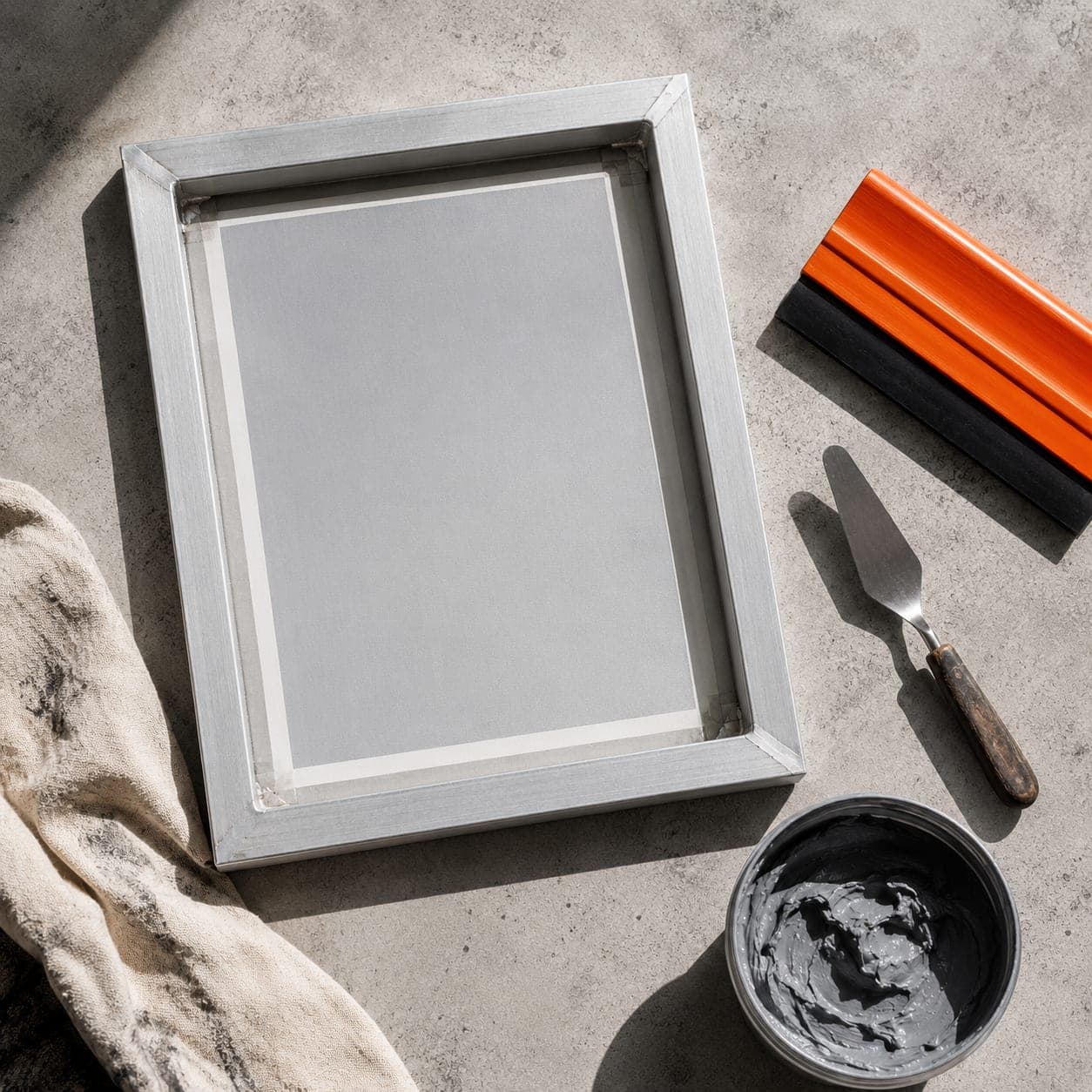
A clean screen printing frame with blank mesh beside a squeegee and a tub of matte grey ink.

Before the screen is made

This is the moment the tool is for. Once the screen exists, a cap height has stopped being a decision.

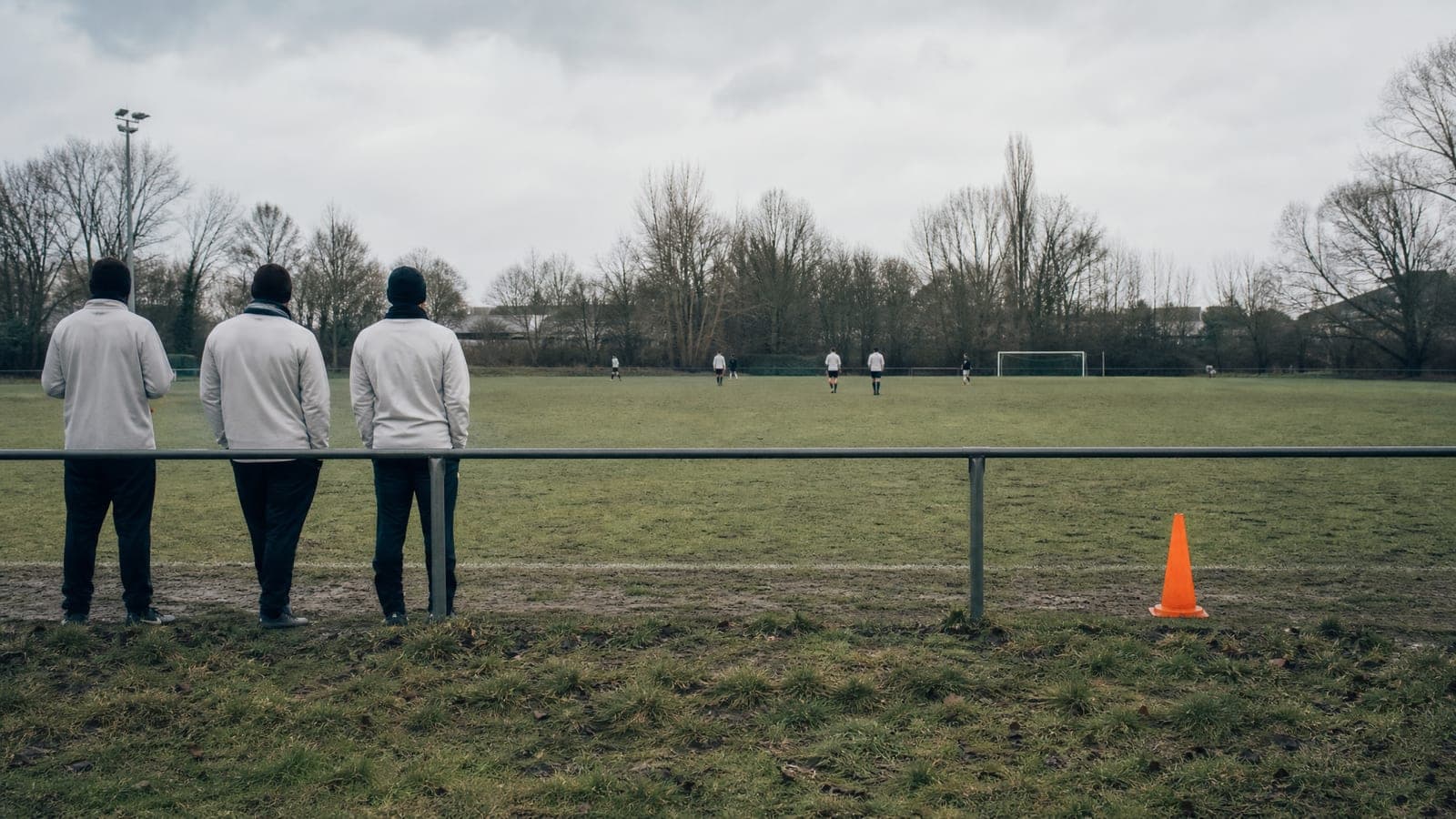
An empty amateur sports pitch seen from the touchline with distant figures in plain training tops.

Across a pitch

A back print at this range is a shape with a colour. Whether that is a problem depends entirely on what the shape was meant to do, and that part is not ours to say.

Every garment shown here is blank. Type has to be correct to the character, so anything on this site that shows words on cloth is drawn in your browser from the words you typed, over a photograph rather than inside one.

What this service cannot know

This list appears in full on every result, including on the free plan, and no watermark is ever placed over it.

  • The light it will be read in. These figures assume open daylight. A club room, a warehouse or a floodlit touchline all move the threshold, and low light moves it a long way.
  • The angle it will be read from. A chest print seen from forty-five degrees is narrower than the same print seen head-on, and the arithmetic here is head-on.
  • Ink spread in the fabric. Ink wicks along the yarn before it cures. On a knitted jersey a stroke can finish visibly wider than it was on the screen, which closes up the counters of small letters and costs you more than the height does. On a woven fabric the same print spreads much less. This is the single largest source of error in anything below about fifteen millimetres of cap height.
  • The typeface you will actually print in. This engine assumes an upper-case grotesque of ordinary width and stroke weight. A condensed face is narrower and fits more, a light weight loses its strokes sooner, and a face with fine hairlines loses them first of all.
  • Whether the reader is looking. Every figure here describes a person who has already decided to read the garment. Most people have not.
  • The wearer's posture and the drape of the cloth. A print on a relaxed jersey is not flat, and a curved surface loses height at the edges.

The line this service does not cross

We only measure how far your words can be read. What they say is entirely yours.

It does not read the sentence

No part of this service evaluates content, stance or subject matter. The engine counts characters, measures widths and computes angles. Two sentences of the same length get the same specification.

It does not write or edit

There is no wording suggestion, no rephrasing, no shortening for effect and no advice about what would land better. If a line is too long for the distance, the answer is the arithmetic, and what you do about it is yours.

It does not pick a typeface for your meaning

Stroke weight and width are measurable and they change the answer, so they are treated as measurements. A typeface is never described as having an attitude, and none is ever recommended on the basis of what the line says.

It still has a floor

The acceptable use policy prohibits unlawful material, hate and harassment, and use of somebody else's trademark or copyrighted text. That is a platform floor rather than a judgement about lawful opinions, and the two are not in tension.

Plans

Three plans, no packs, no stored balance

Prices are in US dollars and exclude tax. Sales tax, where it applies, is added at checkout and shown before you authorise anything.

Free

50 credits a month

$0

No card, no expiry

One distance, one number, and every caveat that comes with it. Enough to find out whether the answer changes what you were going to print.

  • Five lines a month
  • Cap height in millimetres and in points, at three metres
  • The full list of what this service cannot know, never abbreviated
  • The words that survive at three metres, written out
  • Specification card, watermarked
Start on Free

Reach

420 credits a month

$9 / month

or $86 a year · plus sales tax

All three distances side by side, which is the only arrangement that shows you what you are about to lose.

  • One, three and five metres side by side
  • Unlimited lines within the monthly allowance
  • Line-break plan, with the reason for each break
  • Placement comparison: chest, back and sleeve
  • No watermark
Choose Reach

Batch

1550 credits a month

$27 / month

or $259 a year · plus sales tax

For a run of names, a squad list or a season of event shirts, where the same layout has to hold for the longest name in the set.

  • Everything in Reach
  • Many lines in one pass, sized to the longest in the set
  • Stroke-weight comparison at the same cap height
  • Saved projects, so a repeat order starts from the last specification
  • Priority queue
Choose Batch

Where the free plan stops, and why there

Free gives you three metres. One distance, one cap height, and the whole list of what the engine cannot know, unabridged. What it cannot give you is the comparison, because the comparison is the product: a single number is easy to nod at, and three of them next to each other is what shows you that at five metres only two words are left. Paid plans add the one-metre and five-metre bands, the line-break plan, and the specification sheet you send to the printer.

What an allowance is

A service allowance and nothing else. It is not money, it has no cash value, it cannot be transferred and it does not carry over to the next period. Nothing on this site sells extra allowance on its own: if you run out, wait for the reset or move up a plan. Prices exclude tax, and sales tax is calculated at checkout from where you are.

Everything on the pricing page

Questions

Asked and answered

Can you help me make this line stronger?

No, and it is worth being exact about why. This service measures how far type can be read. It does not read what the type says, it does not assess or comment on it, it does not rewrite or shorten it, and it does not pick a typeface on the basis of the message. If a line is too long to be read at five metres, what you get back is the arithmetic that shows it and the print width it has to live in. What you do about that — cut a word, split it over two lines, move it to the back, or print it exactly as it is — is entirely yours.

How accurate is the simulation?

It is a geometric simulation, not a measurement. The cap height and the distance thresholds come from the sign industry's long-settled rules — one inch of cap height per ten feet for glance legibility, and the legibility index for the point where letters stop being letters — and the decay views are produced by resampling the print to the number of samples a 20/20 eye takes across it at that distance, not by blurring an image. What no simulation can include is the light it will actually be read in, the angle it will be read from, how far the ink wicks along the yarn on your particular cloth, or the typeface you finally print in. Every one of those is listed on every result, and every generated image carries a mark saying it was simulated at typical daylight.

Is what I type used to train a model?

No. Lines you type are not used to train any model, are not sold, and are not shared for anybody else's advertising. On the free plan a line is processed and discarded and never reaches storage. If you save a project on a paid plan it is stored against your account until you delete it, and deleting it removes it from live systems immediately and from backups within thirty days.

How do I cancel, and what happens to the rest of the period?

In your account, in two clicks: Billing, then Cancel subscription. There is no phone call, no email, no support ticket, no offer to keep you and no series of screens asking why. Cancelling stops the next renewal. Your plan then keeps working until the end of the period you have already paid for, and we do not refund part of a period. We will always tell you the exact date it ends before you confirm.

What does a credit actually buy?

One question about a line costs one credit, sizing a line and planning its breaks costs two, and a full distance set with the specification card costs five. An allowance is a service allowance: it is not money, it has no cash value, it cannot be transferred, and it does not carry over to the next month. There are no credit packs and no top-ups, so the only way past an allowance is a larger plan or the next reset.

Is there a free trial that turns into a paid subscription?

No. The free plan is a free plan, not a trial: it takes no card, it does not expire, and it never becomes a paid subscription on its own. If you do subscribe, the amount, the date of the first charge and the renewal are all set out on one screen before you authorise anything, and you tick a separate box to confirm you have read them.

Who can use this?

Anybody aged thirteen or over. This service is not offered to children under thirteen and we do not knowingly collect their personal information; if you believe a child under thirteen has given us information, write to support and we will delete it. If you are between thirteen and eighteen, use it with a parent or guardian's involvement.

Where is the tax on these prices?

Prices on this site are shown in US dollars and exclude tax. Sales tax, where it applies to your location, is calculated at checkout and shown before you authorise the payment, so the total you confirm is the total you are charged.

Anything else: the support page.

Type the line. Find out what is left of it at five metres.

No account for the slider at the top of this page. An account, and no card, for the free plan. The arithmetic is the same either way.

Open the toolSee what each plan includes

Prices in US dollars, tax added at checkout. Cancel in two clicks.